Roundtable #10 | COVID-19 Vaccination Law
In the midst of a global pandemic, signs of hope have started to emerge from beneath the shadow of COVID-19. SARS-CoV-2 has killed millions and fundamentally changed the world, but there is cause for optimism with the development and implementation of life-saving vaccine technology. Faced with an unprecedented public health crisis, experts agree that the quickest way for the world to return to normal conditions involves vaccinating as many people as possible, establishing herd immunity, and decreasing the transmission of COVID-19.
Read More
Roundtable #9 | The Criminalization of Homelessness in the United States and the United Kingdom
Across the United States, states have taken steps to address homelessness, ranging from the enforcement of state supreme court decisions to the passage of sweeping legislation. At the same time, individual state legislatures have become battlegrounds for homelessness rights in states that attempt to reduce the visibility of homeless individuals rather than address the systemic issues behind the rise in homelessness. To this end, many states have resorted to indirect anti-homelessness legislation, including laws and ordinances that ban loitering and begging. This Roundtable addresses state laws on homelessness, the intersection of judicial activism and homelessness, the 19th century roots of UK law on homelessness, and the path toward decriminalizing homelessness.
Read More
Roundtable #8 | Roe v. Wade: Past, Present, and Future
Abortion is one of the most intimate and difficult choices many women make at least once in their lives. Indeed, almost one in four American women have an abortion by age 45. Opponents of abortion, however, claim that Americans have long opposed this medical practice and frame Roe v. Wade as an “anomaly.” However, the history of abortion in the United States reveals how common and necessary the procedure has been. This Roundtable explores abortion law prior to Roe v. Wade, the Roe v. Wade case itself, abortion law following Roe v. Wade, and the future of abortion law.
Read More
Roundtable #7 | Health Care for Undocumented Immigrants
U.S. legislative acts pertaining to health care rights have historically limited undocumented immigrants’ access to such benefits. While alternative paths to access are available at the moment, they are far from sufficient for undocumented immigrants seeking treatment. This Roundtable explores the existing healthcare rights of undocumented immigrants, barriers to further access, and the effect of the COVID-19 pandemic on these rights.
Read More
Roundtable #6 | The Promises and Problems of the International Criminal Court
The International Criminal Court (ICC) is an autonomous international tribunal that is authorized to condemn individuals responsible for genocide, crimes against humanity, war crimes, and crimes of aggression. Established by the Rome Statute in 2002, the ICC is the first and only international court with such jurisdiction. One hundred and twenty-three countries have signed on to the Rome Statute, which establishes the court’s jurisdiction, structure, and telos to “guarantee lasting respect for the enforcement of international justice.” This Roundtable explores the role of the ICC in international law, its promising aspects and shortcomings, and the future of the institution.
Read More
Roundtable #5 | Affirmative Action in Higher Education
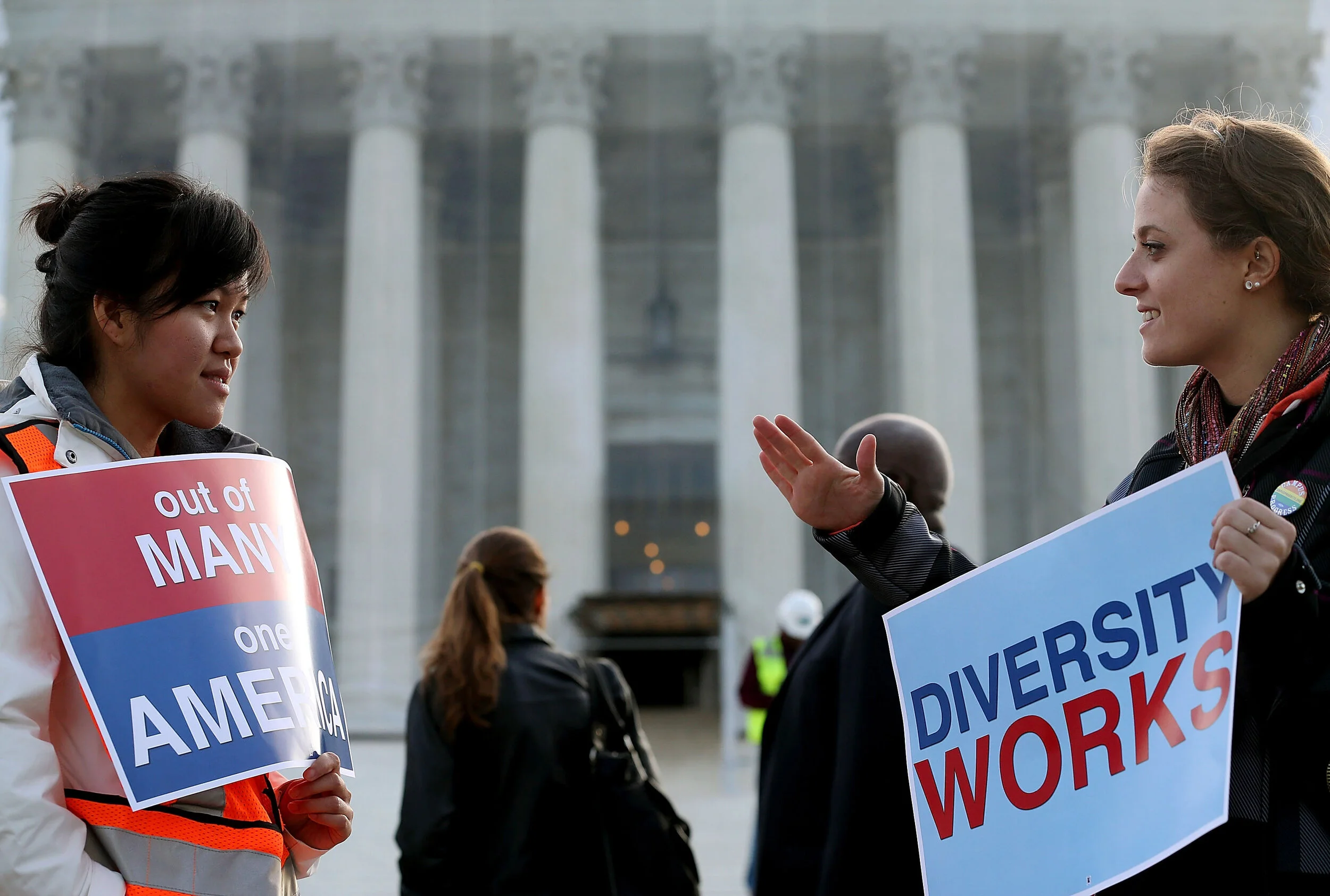
Diversity is an exalted concept for many reasons, ranging from its practical relevance to operational performance, to its broad promise of social inclusion. It is this latter appeal that has rendered diversity, in the eyes of many, a veritable democratic ideal. This Roundtable explores how affirmative action became such an explosive national debate, beginning with Bakke, continuing through Harvard College, and projecting into the future.
Read More
Roundtable #4 | Section 230 of the Communications Decency Act
While platforms such as Google, Facebook, and Twitter have resisted being labeled as publishers, their decisions over what and what not to moderate increasingly mirror the domain of editorial organizations. Compounding the issue is these companies’ outsized influence as intermediaries, and even gatekeepers, for human expression. In general, legislators have exempted social platforms from responsibility for what their users publish. This Roundtable will explore the development of the law that cements this protection: Section 230 of the Communications Decency Act of 1996.
Read More
Roundtable #3 | Harris Funeral Homes: Employment Discrimination and Gender Identity
This Roundtable focuses on Harris Funeral Homes. We first provide a history of Title VII and the Equal Employment Opportunity Commission, then proceed to contexualize Harris Funeral Homes by drawing upon related LGBTQ+ discrimination cases, and finally conclude with analysis and its implications.
Read More
Roundtable #2 | The Affordable Care Act: Implementation, Challenges, and its Future
Healthcare has long been a contentious issue in American law. Questions concerning jurisdiction, who bears the burden of insurance, and issues within it ought to be handled (if at all) have plagued the American public consciousness for decades. Everything changed, however, with the passage of the Affordable Care Act (ACA). The ACA was a carefully negotiated, bipartisan solution to deficiencies in the then current system which revolutionized health care as we know it.
Read More
Roundtable #1 | The History of Executive Power and Its Modern Uses
The question of executive power has plagued the United States since its inception. Historically, power has been vested in the legislature, but modern presidents have bucked precedent by using executive orders to establish government agencies, skirt laws which they disagree with, and to issue unprecedented immigration policies.
This roundtable discussion will present the legal history and analyze recent court cases pertaining to executive power so that we might present a reasonable picture of its future. The Founding Fathers originally imagined the United States as a nation with strong national legislature with power primarily vested in state governments.
It is important to recognize the structures responsible for this dramatic shift from state-local rule to national rule and from legislative governance to executive governance if we are to properly prepare for the repercussions of those realignments. If we are not careful during this liminal phase, unnecessary power may become vested in offices where it does not belong, putting American democracy and life as we know it at risk.
Read More