Religious Freedom For All?: Determining What is Left of First Amendment Protections for America’s Incarcerated
In March 2022, the United States Supreme Court handed down an important decision, setting a precedent for the role of clergy in death penalty executions. [1] The Court held that the Texas Department of Criminal Justice (TDCJ) violated the Religious Land Use and Institutionalized Persons Act (RLUIPA) and “substantially burdened” death row inmate John Ramirez’s First Amendment right to practice his Baptist faith. TDCJ had earlier rejected Ramirez’s request to have his pastor “lay hands” and “pray over him,” rituals of the Baptist faith, while in the death chamber, as such actions would breach execution security protocol. [2]
Read More
The UN Treaty on the Prohibition of Nuclear Weapons—Fruitful or Futile?
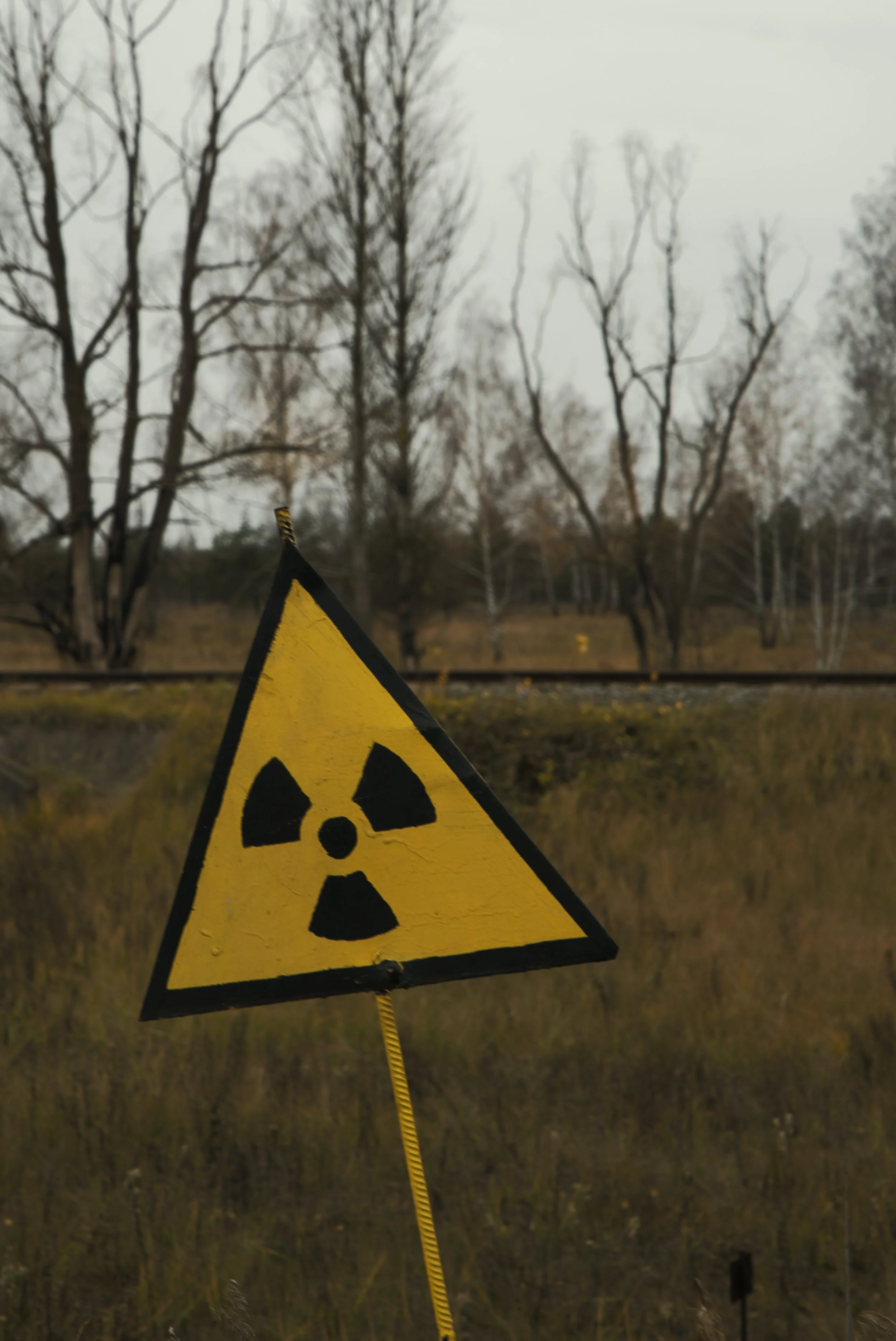
Since launching its full-scale invasion of Ukraine, Russia has deployed nuclear intimidation to deter foreign intervention. From implicit orders to put Russia’s nuclear forces on alert to ominous threats that anyone in Russia’s way would face “consequences such as you have never seen in your entire history,” Putin has recklessly raised the nuclear stakes. [1] Russia’s aggressive behavior not only sets back decades of work on nuclear disarmament, but also poses new challenges for recent milestones such as the Treaty on the Prohibition of Nuclear Weapons (TPNW). First established in January 2021, the TPNW became the first international legal instrument that subjected nuclear weapons to a comprehensive ban. In addition to prohibiting nations from “producing, testing, acquiring, possessing or stockpiling nuclear weapons,” it “bans any transfer or use of nuclear weapons… and the threat to use such weapons.” [2]
Read More
Breaking down the legal basis for ruling on West Virginia v. EPA: Standing, Mootness, and Implications
With heightened pleas from the scientific community to achieve net-zero greenhouse gas emissions, legal challenges to environmental regulations have taken on renewed importance. Last term, the U.S. Supreme Court agreed to hear the landmark environmental case, West Virginia v. EPA. [1] The case has vast implications for climate action– the ruling could fundamentally dismantle the federal government’s power to regulate greenhouse gas emissions. [2] However, while the Court’s decision has been strongly rebuked by many, the larger question surrounding it remains whether the Court should have issued a decision at all. The U.S. Supreme Court has historically heard and ruled on cases only where they would resolve a standing injury or harm by ruling on a given case. [3]
Read More
Rethinking the State Secrets Privilege After the War On Terror
In March of this year, the Supreme Court decided to block the testimony sought by Guantánamo detainee Abu Zubaydah. Zubaydah, allegedly a former associate of Osama Bin Laden, claimed that he was subject to unlawful torture at a Central Intelligence Agency (CIA) blacksite located in Poland. His lawyers wanted the testimony of two former CIA contractors, which would provide more information about the conditions of Zubaydah's detainment; however, the Supreme Court ruled that their testimony would divulge classified state secrets, upholding the Biden administration's assertion of the state secrets privilege. [1] CNN Supreme Court analyst Steve Vladeck said that this ruling "will make it much harder, going forward, for victims of government misconduct that occurs in secret to obtain evidence helping to prove that the conduct was unlawful." [2] Indeed, by blocking the disclosure of the testimony, the Supreme Court sustained a dangerous trend in post-9/11 national security law: the Executive's overly broad assertion of the state secrets privilege to dismiss suits that could implicate the U.S. government in misconduct. [3]
Read More
Unjust Civil Rights Stripping: American Felon Disenfranchisement
In Alabama, some felons, though solvent of all their debts to the state, return to free society as partial citizens, unable to participate in the democratic franchise. [1] Their crimes cover a wide severity of offenses, which fall under the vague category of “moral turpitude.” [2] Alabama allows felons to regain eligibility to vote if they fully complete the original terms of sentence, fees and fines included. [3] These vague definitions of qualifying crimes and fine print attempts at trapping weary felons in voting limitations prevail across the country—not just in the Cotton State—and are unusually and harmfully prohibitive to those attempting a healthy return to citizenship. Permanent felon disenfranchisement and abusive restorative policies for felons rejoining the fold are harmful, and an untenable infringement on American voting rights and democracy. Though opportunities exist for bringing about redress for millions of those without suffrage, especially involving applications of the Equal Protections clause of the 14th Amendment.
Read More
Double Standards in International Law: Did the U.S. Get Away with War Crimes in Afghanistan?
Following the withdrawal of U.S. troops from Afghanistan, a substantial portion of media coverage and political debate focused on the glaring economic costs of the war. After nearly 20 years of military involvement, the United States is estimated to have spent over two trillion dollars in the region. However, this economic cost pales in comparison to the human cost of war. Reports estimate that, as of April 2021, more than 71,000 innocent Afghan and Pakistani civilians had been killed as a direct result of the Afghanistan War. In fact, despite the U.S. government’s claim that it was only targeting terrorists and enemy combatants, many of the victims of U.S.-led airstrikes were innocent civilians. Reports show that, in 2017, the U.S. relaxed its regulations on airstrikes, resulting in a nearly 330% increase in the number of civilian casualties. The large number of innocent civilians killed during the U.S. involvement in Afghanistan raises critical questions regarding the authority of international law in relation to acts of war.
Read More
Is Kidfluencing Child Labor?: How the Youngest Influencers Remain Legally Unprotected
Internet celebrity culture, also known as influencer culture, has been rapidly changing over the past decade. “Kidfluencers,” or kid influencers, are children who have large followings on social media platforms (such as YouTube and Instagram), which can come from a social media page for the child themself or the child’s family. Kidfluencers are essentially child entertainers, as they generate income through sponsored content and/or social media platforms’ monetization policies; however, they are not legally considered as such. Furthermore, kidfluencers—alongside legally-recognized child entertainers, such as child actors—are not fully protected by current child labor laws. Even though parents are “to direct the upbringing and education of children under their control” without state interference per Pierce v. Soc’y of Sisters (1925), these kidfluencers remain vulnerable to potential exploitation and abuse without legal protections.
Read More
Extending Corporate Tort Liability to Social Media Algorithms
In September 2021, whistleblower reports about social media platforms’ use of artificial intelligence (AI) that promote certain platform content over others raised critical questions about the relationship between AI algorithms and corporate liability standards. Facebook consistently claims that AI is an “efficient” and “proactive” means to stop hate speech and other problematic content on its platform. However, internal documents reveal that AI removes less than ten percent of harmful content, such as hate speech or misinformation, from the platform.
Read More
H.R. 51 Passed in the U.S. House of Representatives: The District of Columbia Takes A Giant First Step in the Long Journey to Statehood
Washington D.C., the District of Columbia, is the capital of the United States and a global model for representative government. Yet 536,000 eligible voters in Washington D.C. who pay federal income taxes do not have representation in Congress. While residents can vote in presidential elections, their one delegate to the U.S. House of Representatives may help draft legislation, but is not permitted to vote on their behalf. Similarly, the District has two shadow senators who lack the ability to vote in the Senate or sit on committees, denying them full representation in either house of Congress.
Read More