If someone published thousands of posts every day that incorrectly attributed false or misleading information to a certain newspaper, it would harm the newspaper’s reputation. In most cases, the remedy for this is straightforward: injunctive relief. In 2023, The New York Times found itself in this position, except the source of trademark dilution was slightly more complicated. The publisher allegedly tarnishing their reputation is an AI model—ChatGPT. The case began when a group of newspapers led by The Times sued OpenAI and Microsoft, which owns a 27% stake in OpenAI, for copyright infringement and trademark dilution. While the copyright-centered facets of this case have attracted significant attention, the trademark dilution claims by The Times have received relatively little commentary, despite having monumental implications for the future of journalism and generative AI as a source of news.
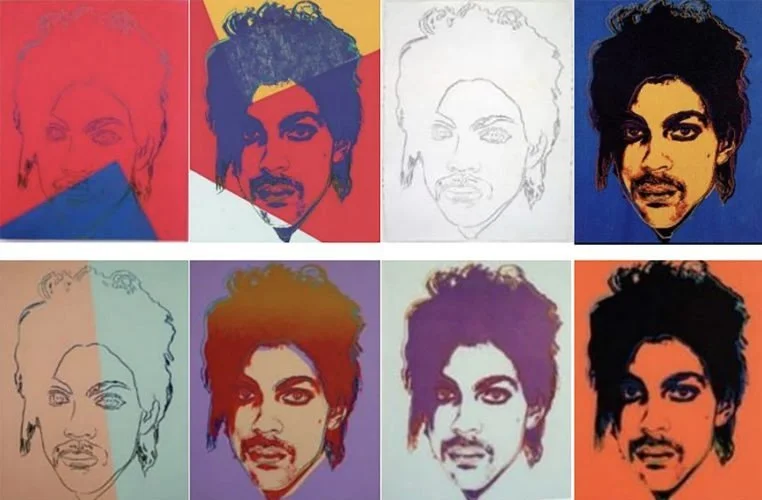
Read MoreOn October 12th, 2022, the Supreme Court heard arguments for Andy Warhol Foundation for the Visual Arts, Inc. v. Goldsmith (“Warhol”). [1] This highly-anticipated case regarding copyright law involves two great artists of the last century, visual artist Andy Warhol and award-winning photographer Lynn Goldsmith. At issue is a dispute over Warhol’s “Prince Series” collection, based on a photograph of the musician Prince Rogers Nelson taken by Goldsmith. [2] Centered on the subject of visual arts and the underlying issue of whether Warhol fairly used Goldsmith’s photograph, this case reflects a crucial opportunity for the Court to clarify copyright protections.
Read More