
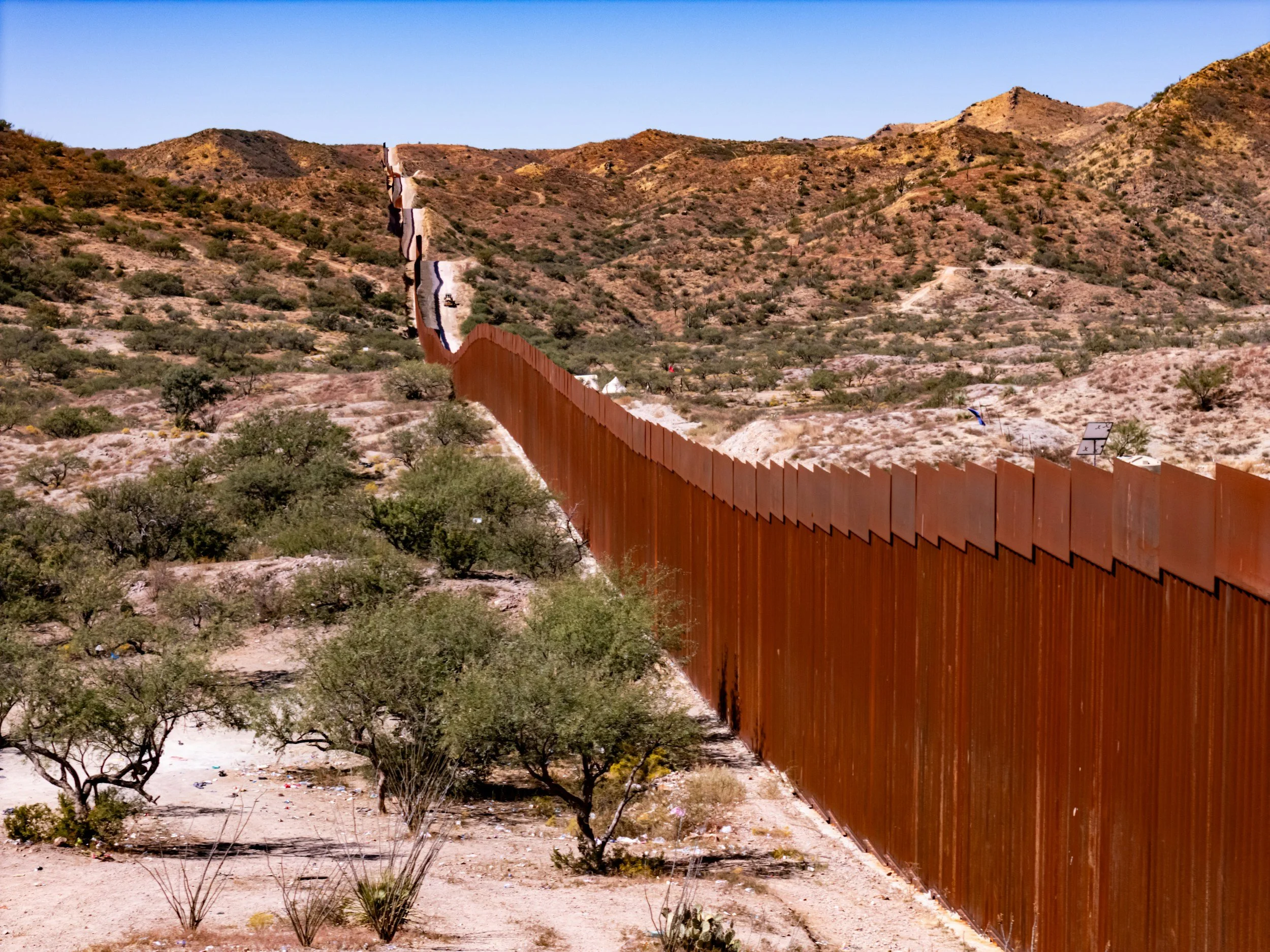
During his first candidacy for President of the United States, Donald Trump came into office with a bold promise: to build a wall along the southern border of the United States. His promise was a physical manifestation of an issue central to his campaign, one of increasing border security and crackdowns on immigration into the country. Yet, the fencing, satellite lighting, watchtowers, and other surveillance infrastructure of the border have posed a risk to the surrounding ecosystems and local species. In his second term, Trump has increasingly focused on retribution towards those who have already immigrated to the U.S. As part of his plan for immigration control, Trump has deported over 500,000 immigrants from the United States, housing many of them in immigration detention centers. Often, though, these centers are built in vulnerable ecosystems, which are harmed by the new constructions.
Read More