Diversity, Equity, and Social Justice
The Diversity and Equity Liaisons were created to foster an inclusive and equitable community within the greater Columbia Undergraduate Law Review (CULR). With the goal of encouraging proactive and engaging conversations about social justice and the unique identities of CULR members, the Liaisons work closely with the CULR and broader Columbia community to bridge gaps present between the Journal’s curricula and scholarly work.
The DESJ Team
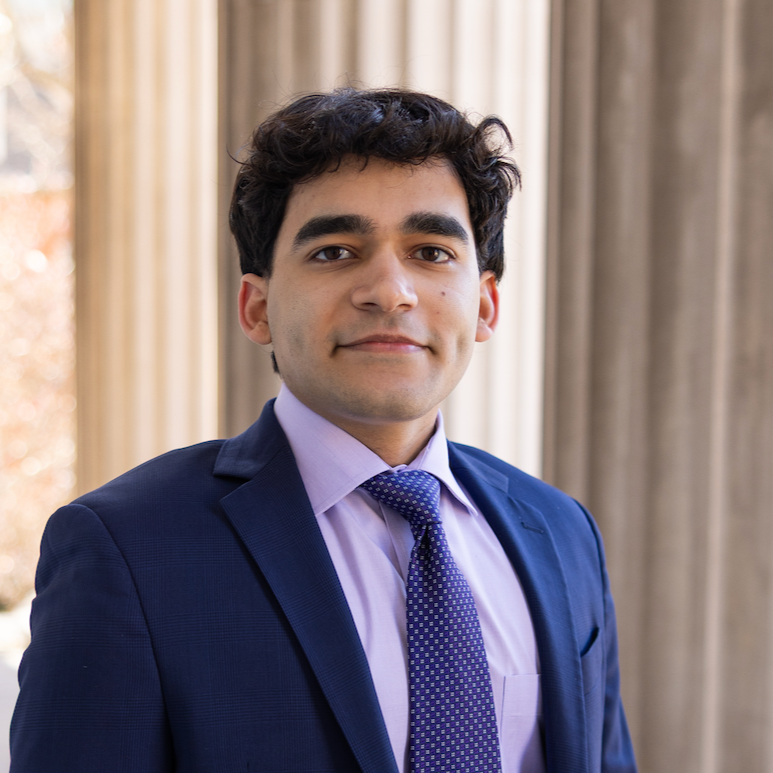
Nathan Kalhan Director of Diversity, Equity, and Social Justice ndk2119@columbia.edu
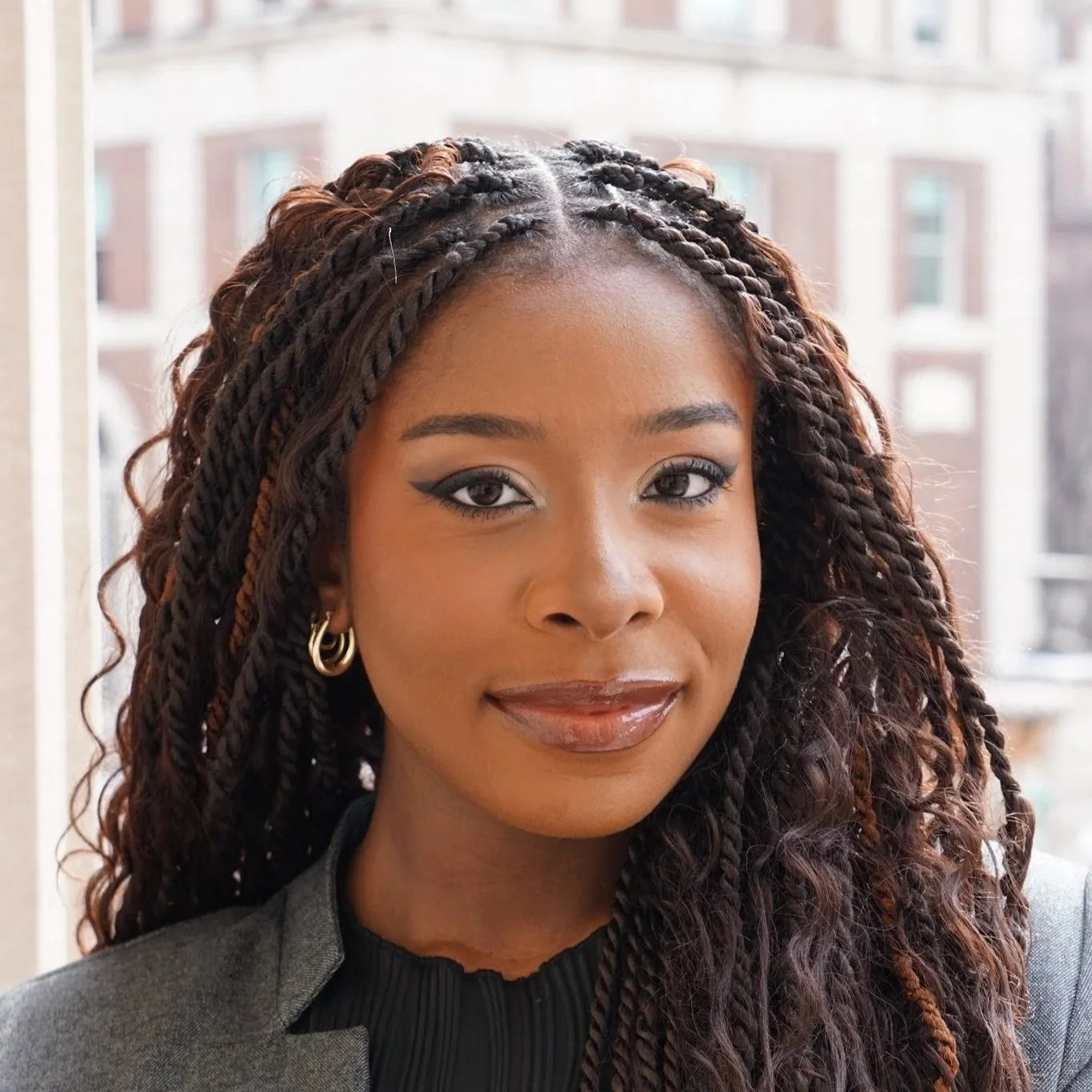
Reese Taylor Race/Ethnicity Liaison Office Hours: Thursdays 10am-12pm rkt2123@barnard.edu
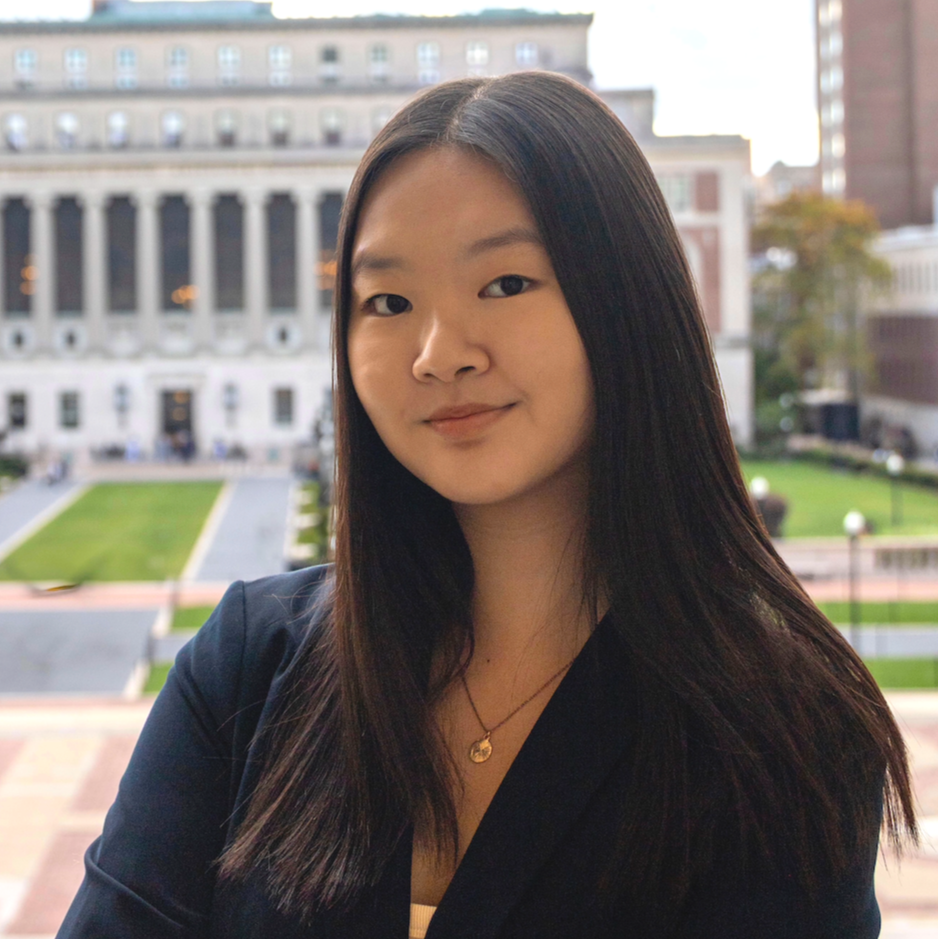
Chloe Lee Gender & Sexuality Liaison Office Hours: Fridays 3pm-5pm cl4303@barnard.edu

Belén González FGLI Liaison Office Hours: Mondays 2pm-4pm obg2104@barnard.edu
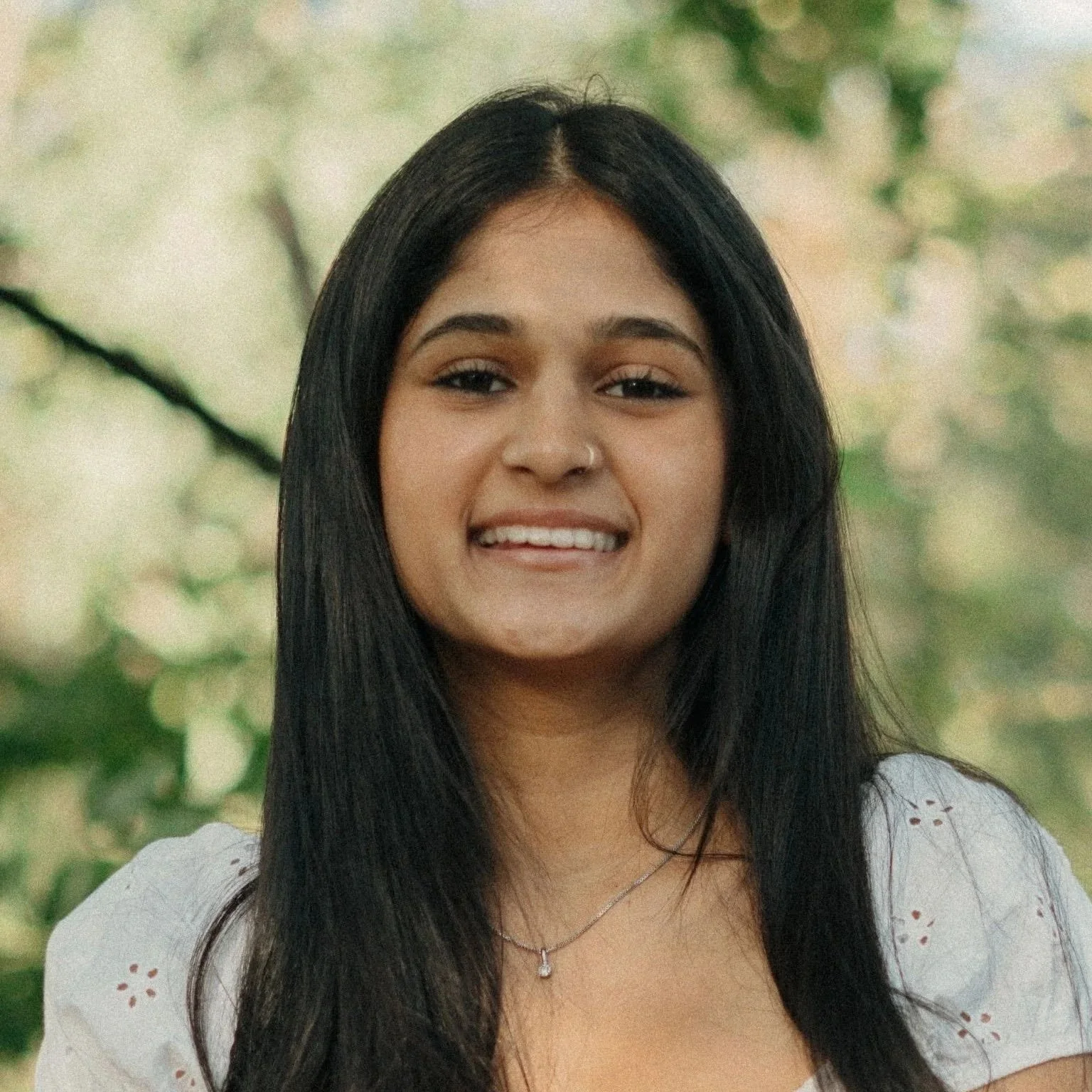
Prerna Vanga Community Engagement Liaison Office Hours: Wednesdays 3pm-5pm prv2109@columbia.edu
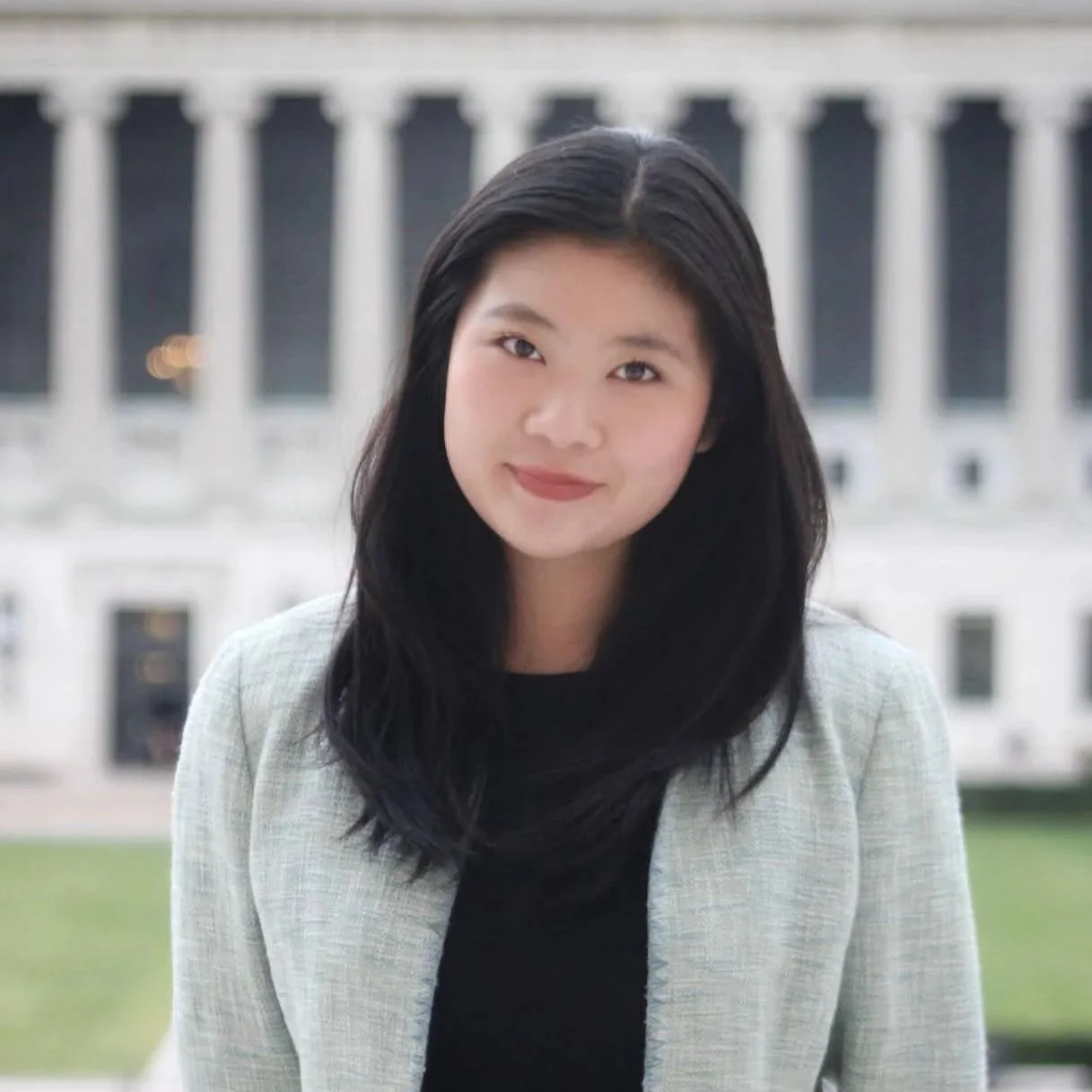
Isabel Lu Disability Liaison Office Hours: Tuesdays 3pm-5pm icl2119@barnard.edu
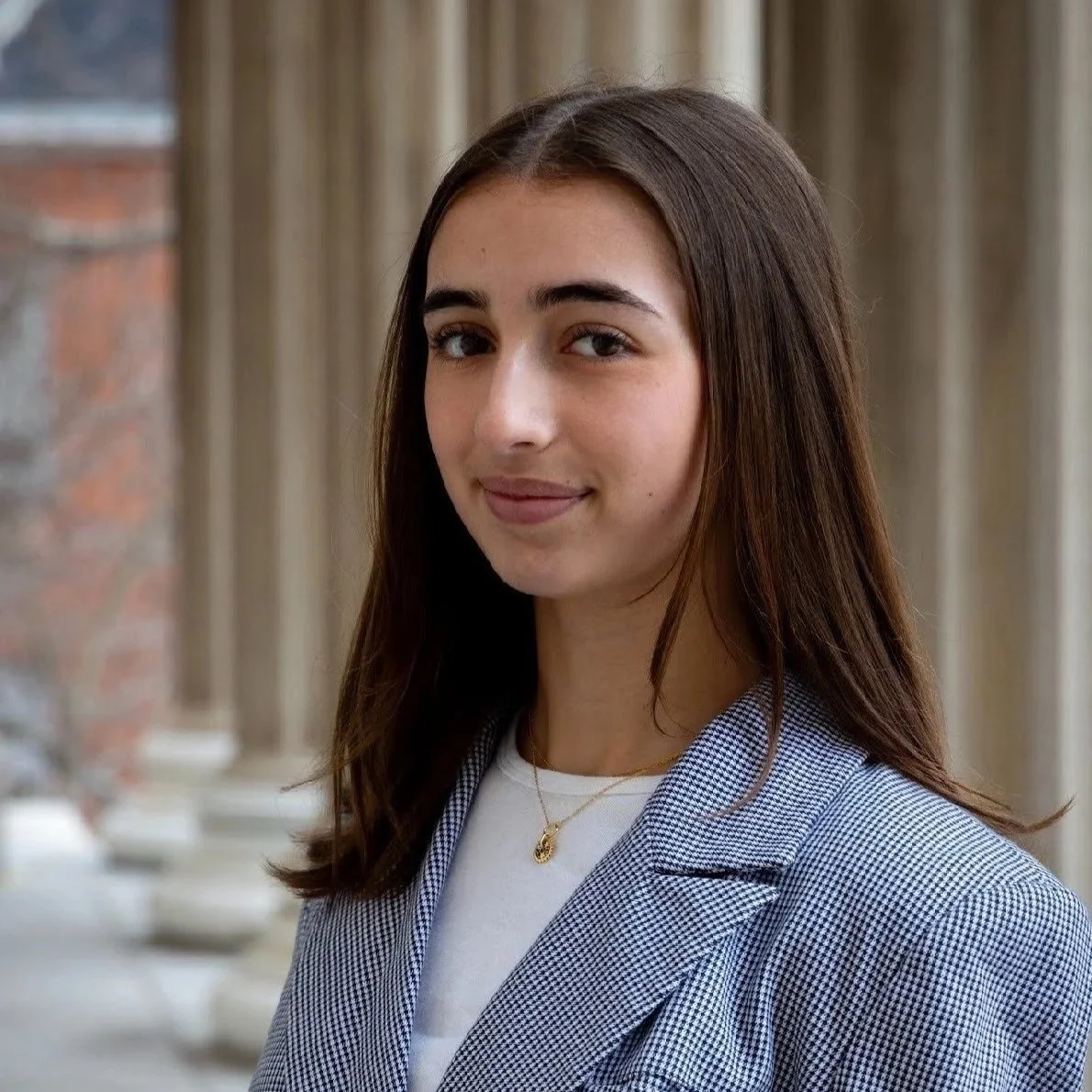
Jemma Granite Community Engagement Liaison Office Hours: Friday 1:30pm-3:30pm jhg2167@columbia.edu
Collaborations and Events
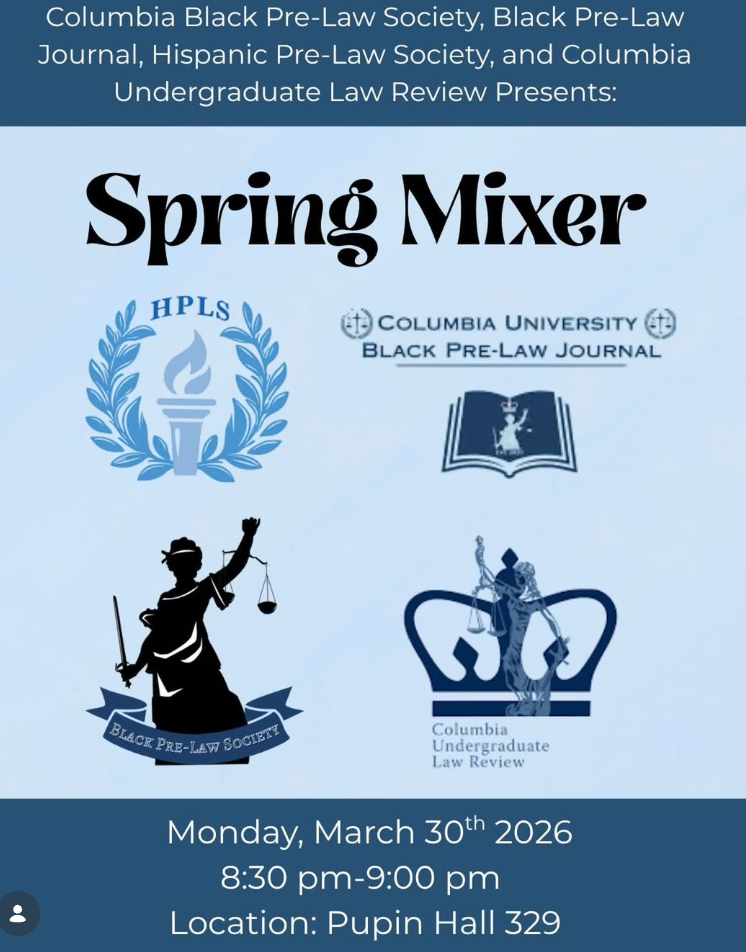
Spring Mixer with the Columbia Black Pre-Law Society, Black Pre-Law Journal, and Hispanic Pre-Law Society
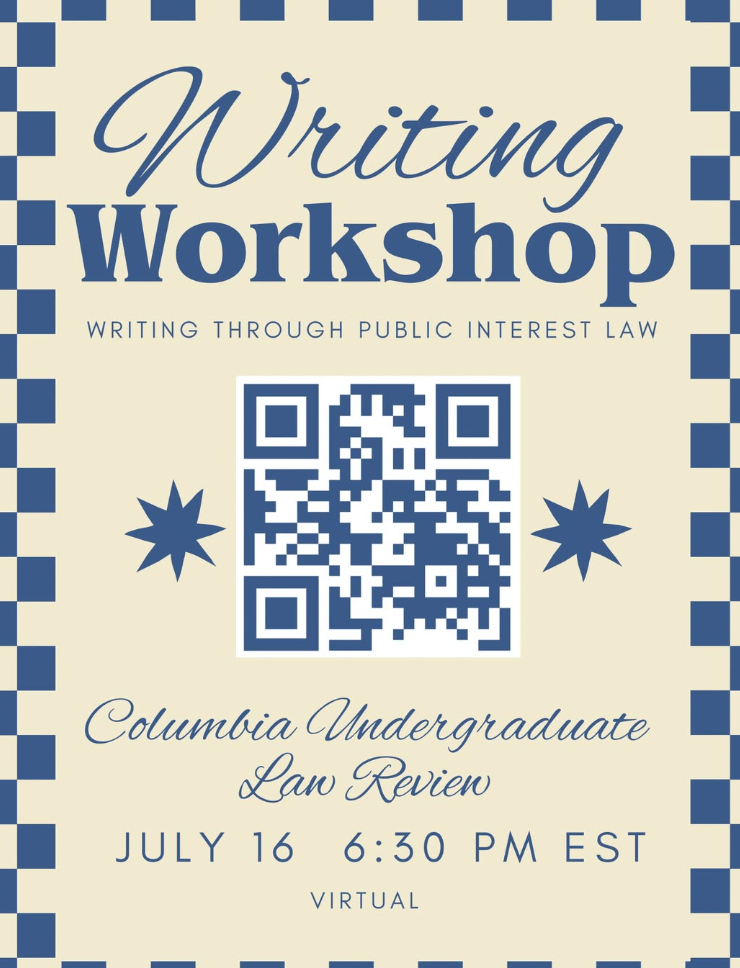
Summer Writer Workshop: Writing through Public Interest Law
CULR Articles
The People v. Representation: Why Jury Diversity Matters November 7, 2019
A Mississippi prosecutor struck black jurors at far higher rates than white ones, and this piece asks what a “jury of one's peers” actually requires. It argues that Washington v. Davis’s intent requirement makes Batson challenges hard to win, and that courts should do more about implicit bias in jury selection.
Banning Affirmative Action: Legal Crossroads in Higher Education Admissions January 10, 2024
After the ruling in SFFA. v. Harvard, race is no longer considered a factor in college admissions and campus diversity remains an open question. This piece walks through the majority and the dissents, and argues that economic disadvantage should drive efforts for equal access rather than race.
Roundtable #5 | Affirmative Action in Higher Education August 24, 2020
Why do universities treat diversities as a compelling interest, and is that enough to justify race-conscious admissions? This roundtable traces the idea from the Bakke case all the way to the Harvard litigation. It argues that race-neutral alternatives wouldn’t produce the same diversity at elite schools.
Revisiting Title VII: Supreme Court Hears Arguments on LGBTQ+ Workplace January 20, 2020
Federal law did not clearly say whether LGBTQ workers could be fired for who they are. This piece argues that “sex” in Title VII already covers sexual orientation and gender identity.
Roundtable #3 | Harris Funeral Homes: Employment Discrimination and Gender Identity March 28, 2020
Aimee Stephens was fired after telling her employer she was transitioning, which raised the question of who workplace anti-discrimination law actually protects. This roundtable covers Title VII’s history, the circuit splits, and why inclusion shouldn’t depend on conforming to gender norms.
Defining “Sex” For Sports?: Legal Frameworks Under Title IX December 8, 2025
Who gets to compete in women’s sports? As the Supreme Court takes up more and more bans on transgender athletes, this piece argues that Title IX leaves room for a puberty-based, sport-specific approach that would let some transgender athletes participate without ignoring fairness concerns.
A Constitutional Education: The Implications of President Trump’s Executive Order for Disabled Youth in America December 11, 2025
This piece examines how when DEI programs get out, disabled students lose services. After examining how Executive Order 14151 ended federal grants for deaf and deafblind education, it argues that doing so undermines the IDEA and ADA’s promise of an equal education.
When Protection Becomes Erasure: How Black Voters Matter v. Byrd Undermines Minority Representation June 1, 2026
This piece argues that the Florida Supreme Court, by upholding a map that eliminated a Black-performing district, gutted the state’s protection for minority voters.
More About DESJ
What Is DESJ?
Team Diversity, Equity, and Social Justice (DESJ) was created in 2021 through an amendment to the CULR Constitution. The Director of Diversity, Equity, and Social Justice and the DESJ liaisons aim to represent a wide range of identities and backgrounds, especially those that have historically been excluded from the legal profession. Team DESJ provides independent oversight of the CULR Executive Board and club operations, plans community building, mentorship, and workshops for CULR members, and handles general accessibility measures and specific accommodations requests.
Additionally, Team DESJ conducts oversight of the CULR admissions process, ensuring that applications are being evaluated equitably—especially considering backgrounds, identities, and experiences that have been historically excluded from the legal profession.
DESJ Services
Team DESJ is CULR’s hub for accessibility requests. If you have an accessibility request or related feedback, please do not hesitate to contact our Executive Board.
Accommodations Currently Provided:
Live Transcripts Enabled on all Zoom Meetings
Alt Text Available on all CULR Social Media Posts
Flexible Meeting Attendance (by request)
Mailing List for Zoom Recordings of Meetings (by request)
Mailing List for Powerpoints of CULR Events with Alt Text (by request)
Our goal is to destigmatize and humanize the process of requesting disability accommodations. If an accommodation you need is not on the list above, just get in touch!
Anonymization Policy
The Columbia Undergraduate Law Review strives to ensure that all members of our organization, current and past, feel proud of their work published on our platforms. If an author feels that an article they have published with CULR poses a threat to their safety or well-being, they may request to have the article anonymized, which includes removing any names and identifiers from the article and removing the piece from their website biography. In exceptional circumstances, an individual may request to have the piece taken down altogether. All requests should be sent to culreboard@columbia.edu and will be reviewed on a case-by-case basis by the Editorial Board. This anonymization policy only applies to work published online and not in our Print Journals.