Motherhood before Girlhood: A Look into Women and Girls’ Access to Education in Mozambique
“Girlhood” is the decisive period of a young woman’s life in which she learns about her beliefs, the world around her, and most importantly, herself. For many young girls, this phase is propelled by having social experiences, developing familial relationships, and obtaining a consistent education to be properly equipped for the next chapter of their lives. Whether a young girl decides to pursue motherhood or search for an occupation or both, education is a crucial factor in a girl’s development. In Mozambique, going to school is a milestone for many girls and young women due to the social barriers that prevent them from regularly attending school, if at all. Since the country holds the fifth highest rate of child marriage in the world and the highest rate of child pregnancy in East and Southern Africa, many young women are forced to sacrifice their education to raise their family. In failing to provide safe, accessible education to its youth population, particularly its young women, Mozambique has violated the Convention on the Rights of the Child. While the country has attempted to alleviate these obstacles through signing treaties, declarations, and reincorporating alternative policies, these challenges have persisted and further hindered girls’ access to education.
Read More
Balancing Innovation and Ethics: A CRISPR Approach to Patent Law
In August 2017, a team of scientists at the Oregon Health & Science University (OHSU) successfully edited the DNA of a human embryo using CRISPR-Cas9, repairing a genetic defect that causes a debilitating disease. The excitement in the room was palpable as they witnessed a historic moment that could change the future of medicine. However, as they celebrated this scientific breakthrough, ethical questions loomed large. What if this powerful tool were used to create so-called “designer babies” or to enhance physical or cognitive traits? Who would regulate such profound capabilities?
Read More
Judicial Indecision: How SCOTUS Left Women’s Health in Jeopardy
In June 2022, the United States Supreme Court decided on the case Dobbs v. Jackson Women’s Health Organization, ruling the United States Constitution does not guarantee women the right to an abortion. This landmark holding overturned decades worth of precedent set by Roe v. Wade (1973). Citing the Due Process Clause of the 14th Amendment, the court in Roe recognized a woman’s right to terminate her pregnancy with different standards of availability depending on the trimester. The Court decided Dobbs with a six-to-three vote, six conservative justices in the majority and the remaining three justices fervently dissenting. The decision returned the question of abortion accessibility to the states.
Read More
AI in the Workplace: The Dangers of Generative AI in Employment Decisions
The digital age fosters ingenious yet unprecedented developments, such as using generative AI to streamline typical human resource processes. More companies are using generative AI to source and select candidates, assess current employees, and determine layoffs. However, under the guise of great efficiency and innovation lies an even greater ethical and legal problem: the use of AI technology to hire, assess, and fire employees creates a system that violates workplace anti-discrimination laws, negatively impacting minority groups.
Read More
The European Example: A Comparative Look at Antitrust Standards in the US and EU
Artificial Intelligence (AI) is poised to be the next major battleground for antitrust law, and the industry’s unprecedented expansion and high economic concentration pose a unique challenge to existing legal frameworks worldwide. The European Union (EU) stands out as a leader in the regulation of the digital economy, having already passed legislation that limits “gatekeeper” corporations (large digital platforms that provide core services like web browsing) in the form of the Digital Markets Act and bringing numerous suits against Big Tech companies for anticompetitive behavior.
Read More
“Tough on Crime” or Just Barbaric? Louisiana’s Surgical Castration Law and the Erosion of Constitutional Rights
In the past few months, a new tough-on-crime approach to justice has led Louisiana to pass legislation eliminating parole and resuming electric-chair executions — which have not been used since the state moved to lethal injections in 1991 — but in June, the state enacted a new law that threatens to set ethical standards of criminal justice back centuries. As of August 1, 2024, Louisiana is the first state to allow surgical castration as a punishment for sex crimes.
Read More
Unlocking the Canvas: A Legal Analysis of AI Patents in the US and UK
In the rapidly evolving realm of technology, generative Artificial Intelligence (AI) stands out as a revolutionary force, fundamentally altering industries and redefining our understanding of creativity. However, As AI experiences rapid growth and exerts a profound influence across various sectors, legal questions surrounding the patentability of AI-generated works have come to the forefront. This explosion in AI’s creative capabilities comes with a legal conundrum: can AI-generated art and ideas be subject to patent protection?
Read More
Flawed Treaties or Legal Safeguards? Examining the Prospects for Increased Tribal Rights
As of January 2024, the United States government formally recognizes five hundred and seventy four Native American tribes. While this may appear to be an insignificant, bureaucratic tally, federal recognition is actually quite important: in obtaining it, tribes become eligible for specialized benefits and an elevated degree of autonomy. As such, given the coveted nature of these privileges, it should come as no surprise that indigenous communities are in constant legal competition to secure them. In fact, in recent years, nearly every Supreme Court docket in recent memory has included at least one indigenous-related case. Most recently, the Court heard arguments in Arizona v Navajo Nation (2023), which dealt with the United States’ obligation to provide water to the Navajo tribe.
Read More
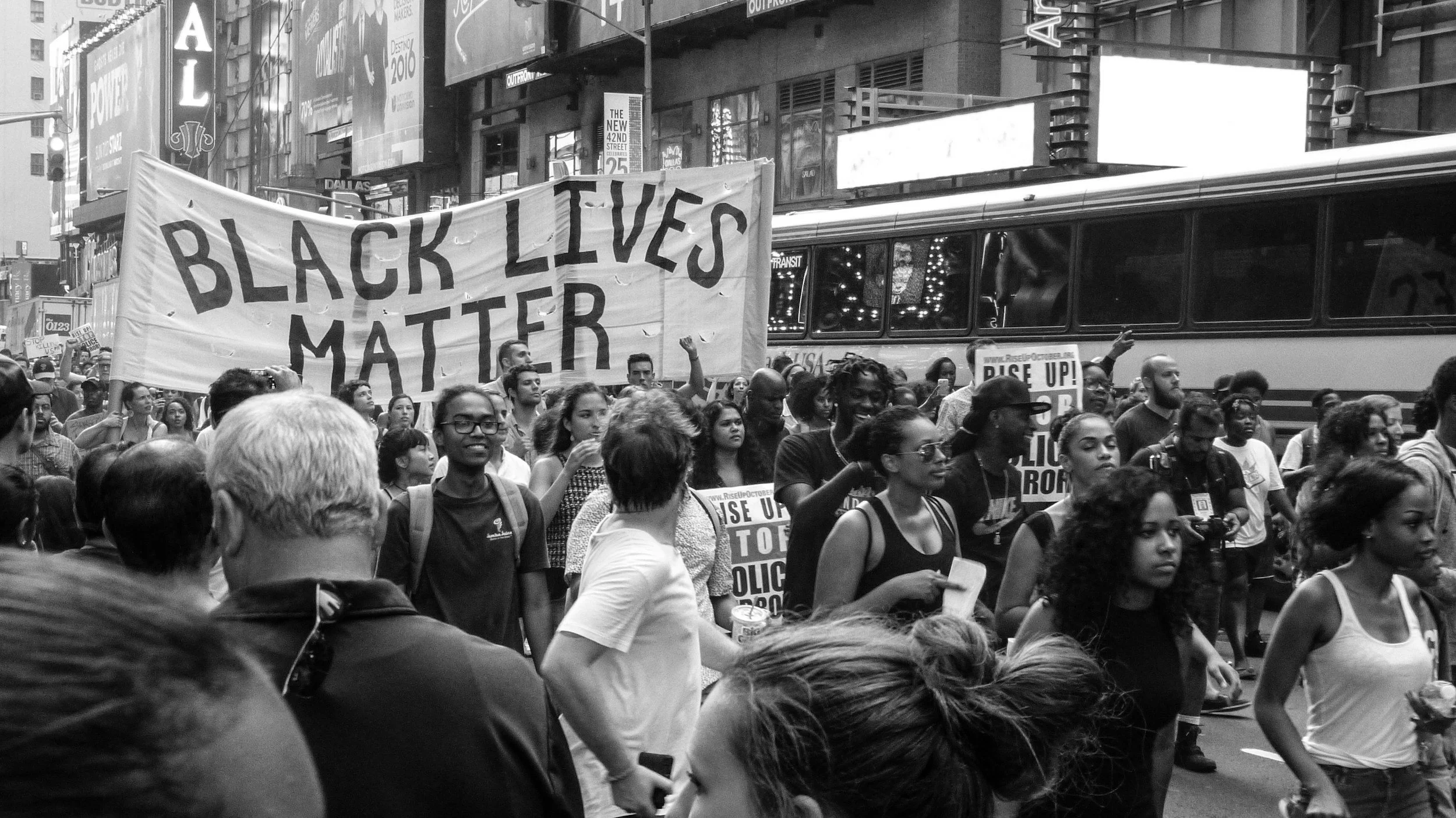
Social Media Surveillance of the Black Lives Matter Movement and the Right to Privacy
Following the publicized police murders of George Floyd, Breonna Taylor, and other Black Americans, there was a nationwide resurgence of Black Lives Matter protests in the summer of 2020. As community members organized marches and other forms of civil disobedience on social media, notably X (formerly known as Twitter), organizers grew concerned that law enforcement officers were using X as a medium to collect information on these protests. Specifically, they claimed that the information would be used in order to arrest participants or quell protests via social media surveillance. Surveillance is “the act of observing another in order to gather evidence” and is a frequent method used by law enforcement to gather evidence for an investigation. With the fears of covert surveillance via social media, Black American community members are now concerned about their privacy rights when engaging in protest, assembly, and expression–acts protected by the First Amendment. Law enforcement’s utilization of X and digital data from other social media sites as a form of surveillance should be considered a violation of the Fourth Amendment’s right to privacy of protestors.
Read More