Bringing Sex Discrimination Under Strict Scrutiny: The Need for an Equal Rights Amendment
This year, the United States celebrated the 100th anniversary of the Nineteenth Amendment’s ratification. This amendment began a decades-long process of enfranchising women across the country. By enshrining, for both sexes, the right to vote, the Nineteenth Amendment formally recognized that women do indeed have a role in making political, legal, social, and economic decisions. However, while this amendment legitimized women’s presence in the public sphere, it did not fully grant them equal rights within it.
Read More
Liability Immunity for Healthcare Providers Against Medical Malpractice Claims During the Coronavirus Pandemic
The COVID-19 pandemic has exposed jarring shortcomings in America’s healthcare system. Between the shortage of resources and exhausted health practitioners, all aspects of healthcare, even ones not directly related to COVID-19, have been impacted. Though the legal repercussions of one of the “largest medical disasters in [U.S.] history” have yet to fully unravel, over four thousand medical malpractice complaints are reported to have already been filed against physicians as of August 12.
Read More
TikTok: The Newest Social Media Trend or a Threat to National Security?
From sensational dances to personalized news, TikTok has become one of the most popular social media platforms of today’s generation. Since its 2018 release in the United States, TikTok has soared in popularity, surpassing two billion global downloads in April 2020. Owned by the Beijing-based startup ByteDance, Tiktok has sparked apprehension among world leaders and politicians that sensitive user data could end up in the hands of the Chinese government.
Read More
Impunity, Immunity, and the Politics of Accountability: A Transnational Imbalance
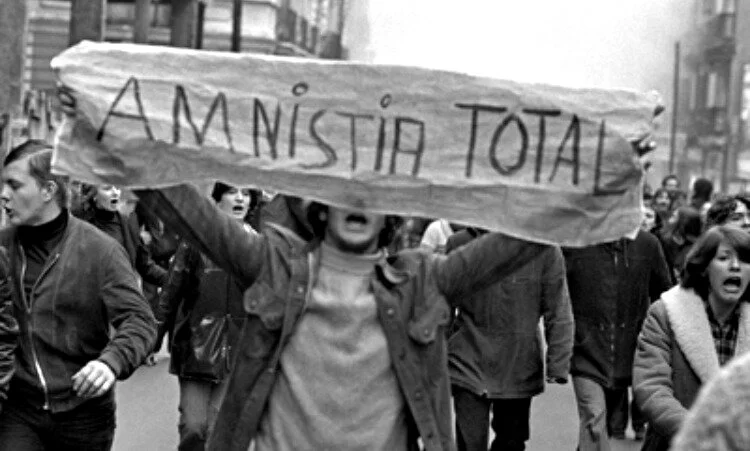
At the height of the Black Lives Matter movement, posters at protests and rallies across the United States read “End qualified immunity.” Whether it be the growing public demands to shift into an abolitionist framework or the more centrist voices calling for reform from within the existing justice system, many Americans have called into question the mid-twentieth century doctrine that effectively shields public officials from civil suit. Likewise, across the Atlantic, Spaniards have for decades attempted to hold ex-Francoist police officers accountable for thousands of documented instances of torture and enforced disappearance under the fascist regime, with little success on account of national amnesty law.
Read More
The State of Religious Liberty After Bostock, Little Sisters, & Our Lady of Guadalupe
In June 2020, the Supreme Court delivered a victory for LGBTQ+ rights in Bostock v. Clayton County. In this case, the Court ruled that firing an employee for being gay or transgender violates the prohibition on discrimination “because of … sex” in Title VII of the Civil Rights Act of 1964. While many Americans rejoiced over this victory, others were concerned about the ruling’s implications for religious liberty.
Read More
Litigation Funding: The Case for New York to Revise Section 489
Lawsuits are expensive. For those who wish to bring suit but cannot afford the costs, access to the legal system is barred by a hefty entry fee. Fortunately, a practice known as litigation funding makes the legal system more accessible to individuals who cannot afford to bring suit on their own. In effect, a third party firm provides the means for a plaintiff to sue in return for a share of the financial returns if the lawsuit proves successful. Litigation funding provides firms with the option to profit from successful suits, giving them a natural incentive to aid plaintiffs—especially those with meritorious claims.
Read More
Legally Impermissible at Home and Abroad: Debating the Permanence of the Philippines' Anti-Terrorism Act
On July 3, 2020, Republic Act No. 11479, commonly known as the Anti-Terrorism Act of 2020, was passed into law in the Philippines. This new legislation effectively repealed Republic Act No. 9372, also known as the Human Security Act of 2007 (HSA), and aimed to prevent and prohibit terrorism. Due to the broad definition of terrorism and the acts included therein, critics believe that the Anti-Terrorism Act was signed with the ulterior motive of deterring government criticism, raising questions about the act’s legality.
Read More
Pindell v. N’Namdi: If the Art World Wants Equity, It Needs Gallery Contracts
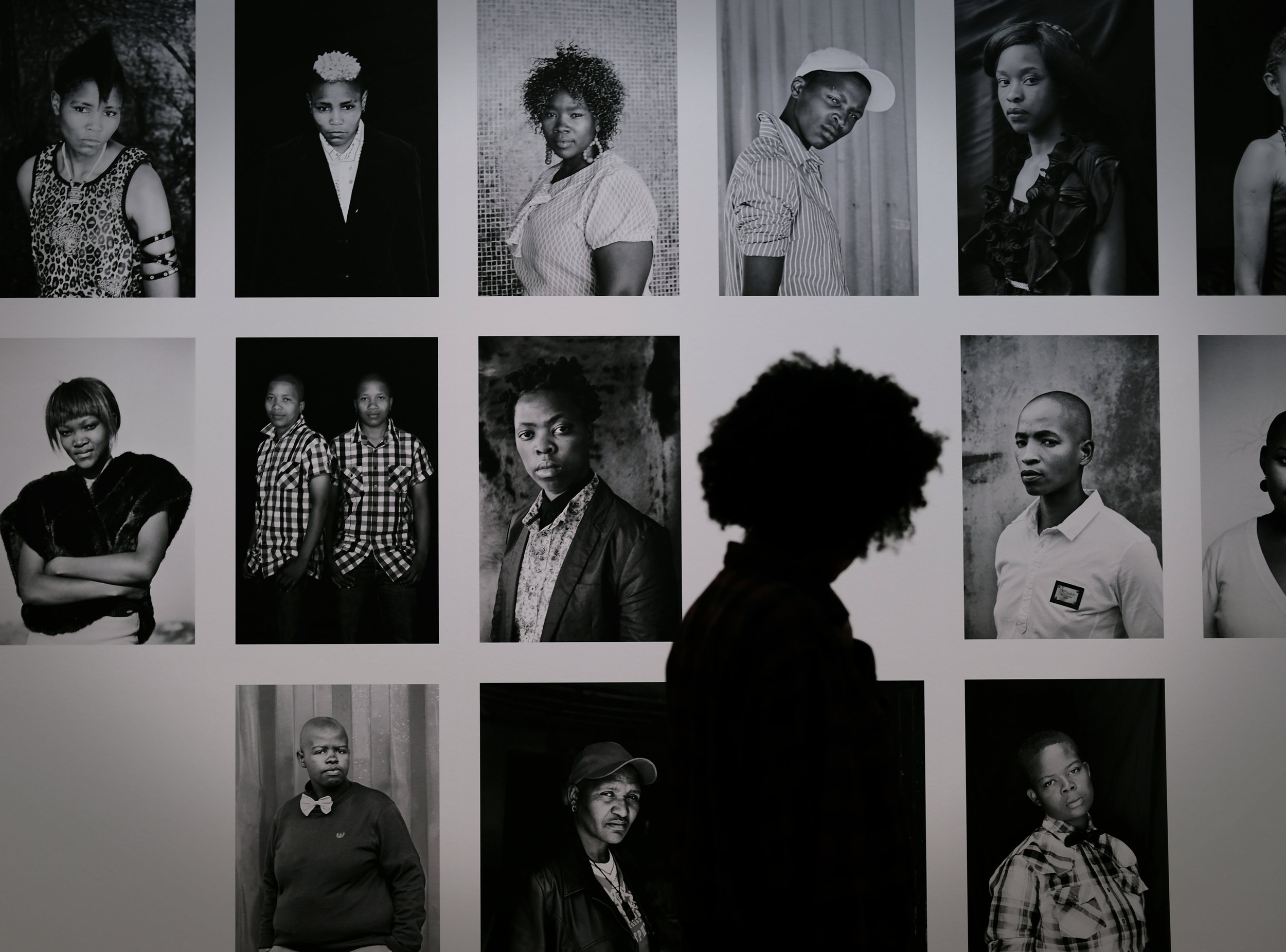
Four years ago, in an ostensibly more inclusive climate, students at CUNY Guttman College reexamined New York gallery diversity. They found that white people, who account for just 64 percent of the population, netted 80 percent of the gallery representation in the city. The statistics suggest that the exclusionary culture Pindell identified decades ago persists into the present. In fact, it appears that today’s art market not only excludes but also exploits artists of color; Pindell’s own experience illustrates this dynamic.
Read More
Sorites Paradox and the Challenge of Originalism in McGirt v. Oklahoma
The complicated relations between Native Americans and the United States took an interesting turn on July 9, 2020, when the U.S. Supreme Court released its ruling in McGirt v Oklahoma (2020). The respondent, Jimcy McGirt, was convicted of raping his wife’s four-year-old grandchild and sentenced to one thousand years in addition to life in prison by an Oklahoma state court. However, McGirt later claimed that because his crimes were committed on Creek Reservation Land secured by an 1832 treaty between the U.S. Government and the Creek (Muscogee) Nation, Oklahoma could not prosecute him.
Read More