Pindell v. N’Namdi: If the Art World Wants Equity, It Needs Gallery Contracts
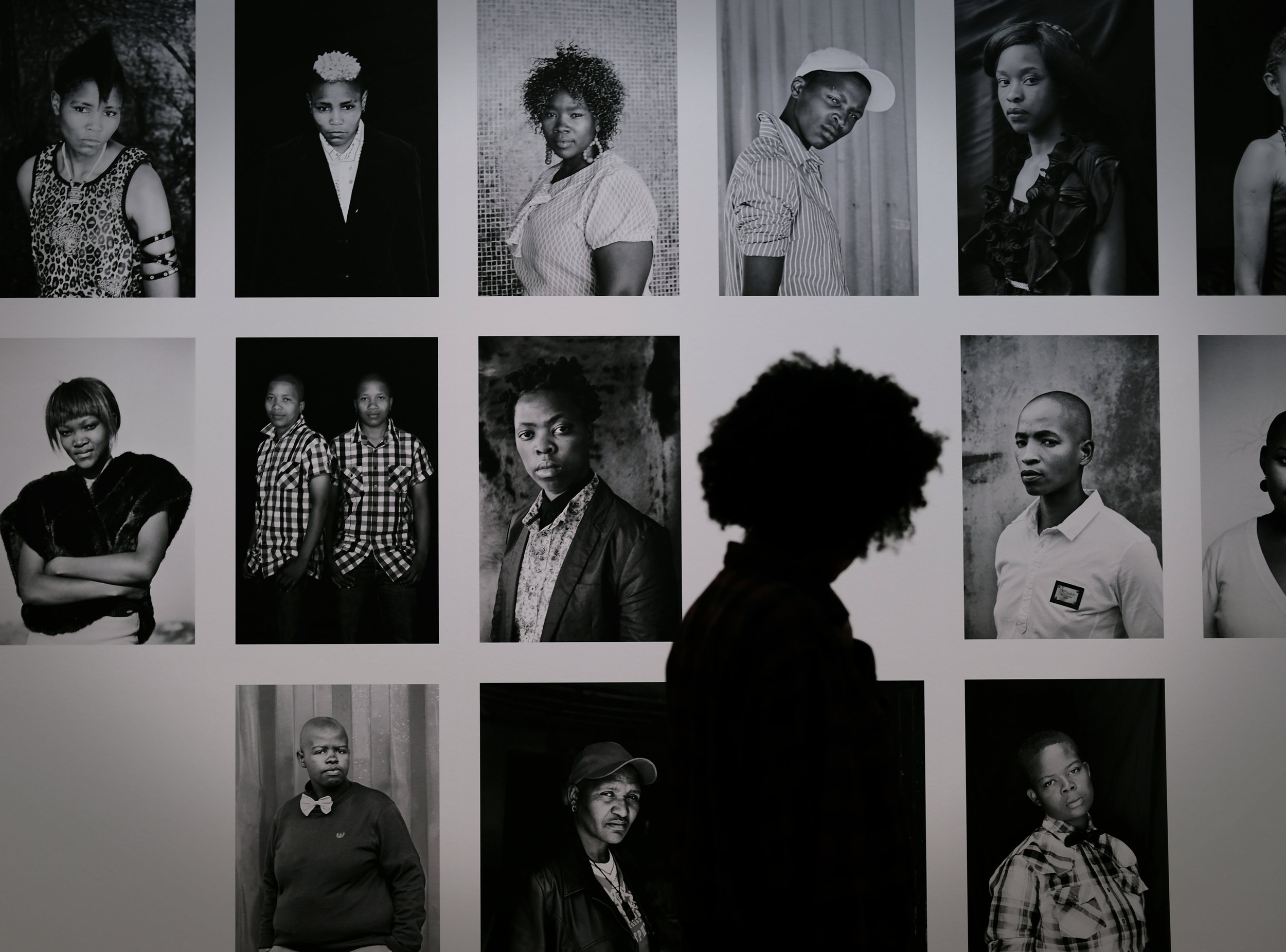
Four years ago, in an ostensibly more inclusive climate, students at CUNY Guttman College reexamined New York gallery diversity. They found that white people, who account for just 64 percent of the population, netted 80 percent of the gallery representation in the city. The statistics suggest that the exclusionary culture Pindell identified decades ago persists into the present. In fact, it appears that today’s art market not only excludes but also exploits artists of color; Pindell’s own experience illustrates this dynamic.
Read More
Sorites Paradox and the Challenge of Originalism in McGirt v. Oklahoma
The complicated relations between Native Americans and the United States took an interesting turn on July 9, 2020, when the U.S. Supreme Court released its ruling in McGirt v Oklahoma (2020). The respondent, Jimcy McGirt, was convicted of raping his wife’s four-year-old grandchild and sentenced to one thousand years in addition to life in prison by an Oklahoma state court. However, McGirt later claimed that because his crimes were committed on Creek Reservation Land secured by an 1832 treaty between the U.S. Government and the Creek (Muscogee) Nation, Oklahoma could not prosecute him.
Read More
Coercive Assimilation: The Constitutionality of Enforcing English Signage
It may seem like a sensible choice to mandate that all signage in America be in English. After all, English is the most spoken language in the country, and all signage should be accessible to the majority. Upon further examination, however, it is clear that forcing minority-owned businesses to offer English signage blurs the boundary between helping the majority and unconstitutionally sanctioning forced assimilation.
Read More
Economic Warfare During a Pandemic? A Legal Analysis of U.S. Sanctions on Iran
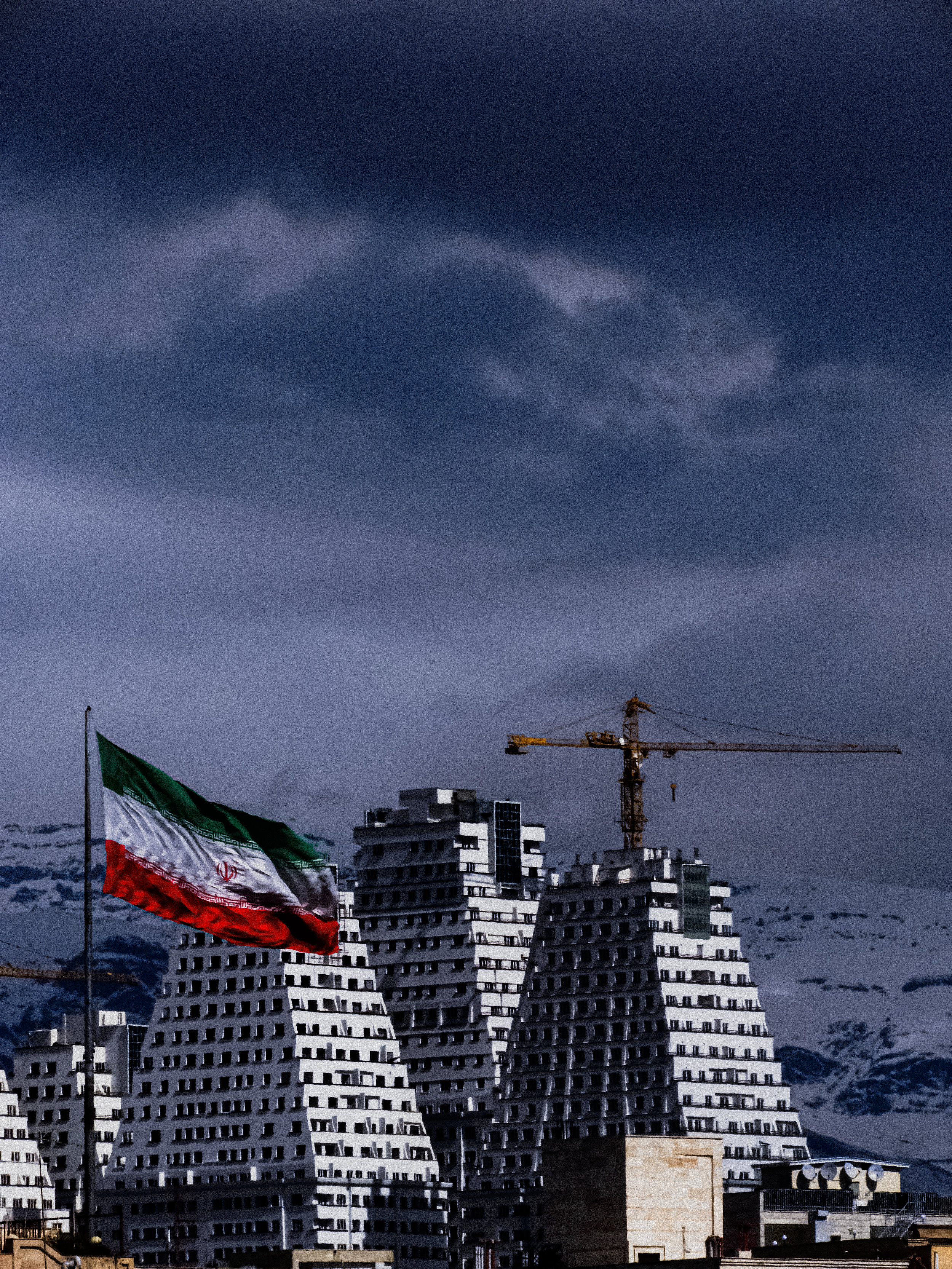
The COVID-19 pandemic is a global challenge that requires multilateralism, cooperation among states, for the health of people of all nations. The United States' escalation of a near total economic blockade on Iran is incompatible with the goals of multilateralism. As the sanctions impede Iran's ability to fight COVID-19, the United States is breaching international law under the banner of national security.
Read More
Voter Rights Amidst Crisis: The Repercussions of COVID-19
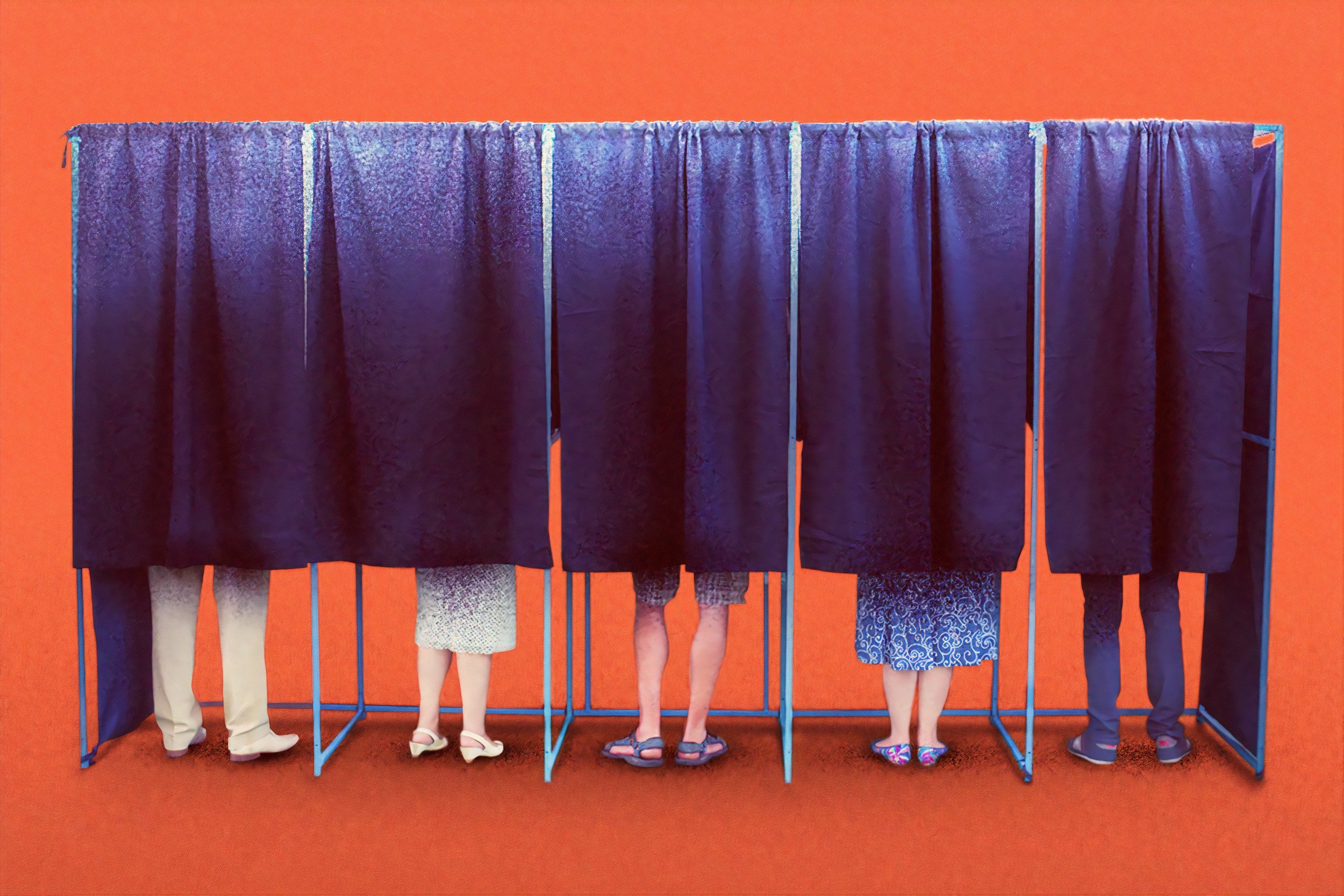
According to an early projection by Richard Hasen, an election law expert at the University of California, Irvine, “2020 [was set to] see a record level of election-related litigation.” That prediction was made long before the COVID-19 crisis left the nation scrambling to adapt to the realities of election season in the midst of a pandemic. In the recent weeks, a flurry of legal battles have erupted across the nation—in Nevada, Oklahoma, Arizona, Virginia, Florida, and various other states—over voting rights, absentee ballot requirements, and vote-by-mail protocol.
Read More
Torres v. Madrid: What Constitutes “Seizure” under the 4th Amendment?
Mrs. Torres filed a civil rights claim in federal court, claiming that the police officers had used excessive force and had violated her Fourth Amendment protection against unlawful seizures. The district court ruled—and the 10th Circuit Court of Appeals affirmed—that the Fourth Amendment’s protection against unlawful seizure was not applicable because, as Torres was ultimately able to escape and wasn’t apprehended by law enforcement until later, she wasn’t technically “seized.” This ruling might seem sound at first glance, but it contradicts existing Supreme Court jurisprudence on the matter.
Read More
National Emergency Exemption: Patents in the Time of Coronavirus
What happens when a global emergency confronts intellectual property law? Medical companies obtain patents for innovative technology, which gives these companies legal ground for a lawsuit should another company produce the same good. But in a time of crisis, as we see now with the coronavirus pandemic, there is a need to produce essential equipment on a scale so massive and immediate that it necessitates removing a patent’s protections.
Read More
A Legal End to New York’s Dirtiest Power Plants?
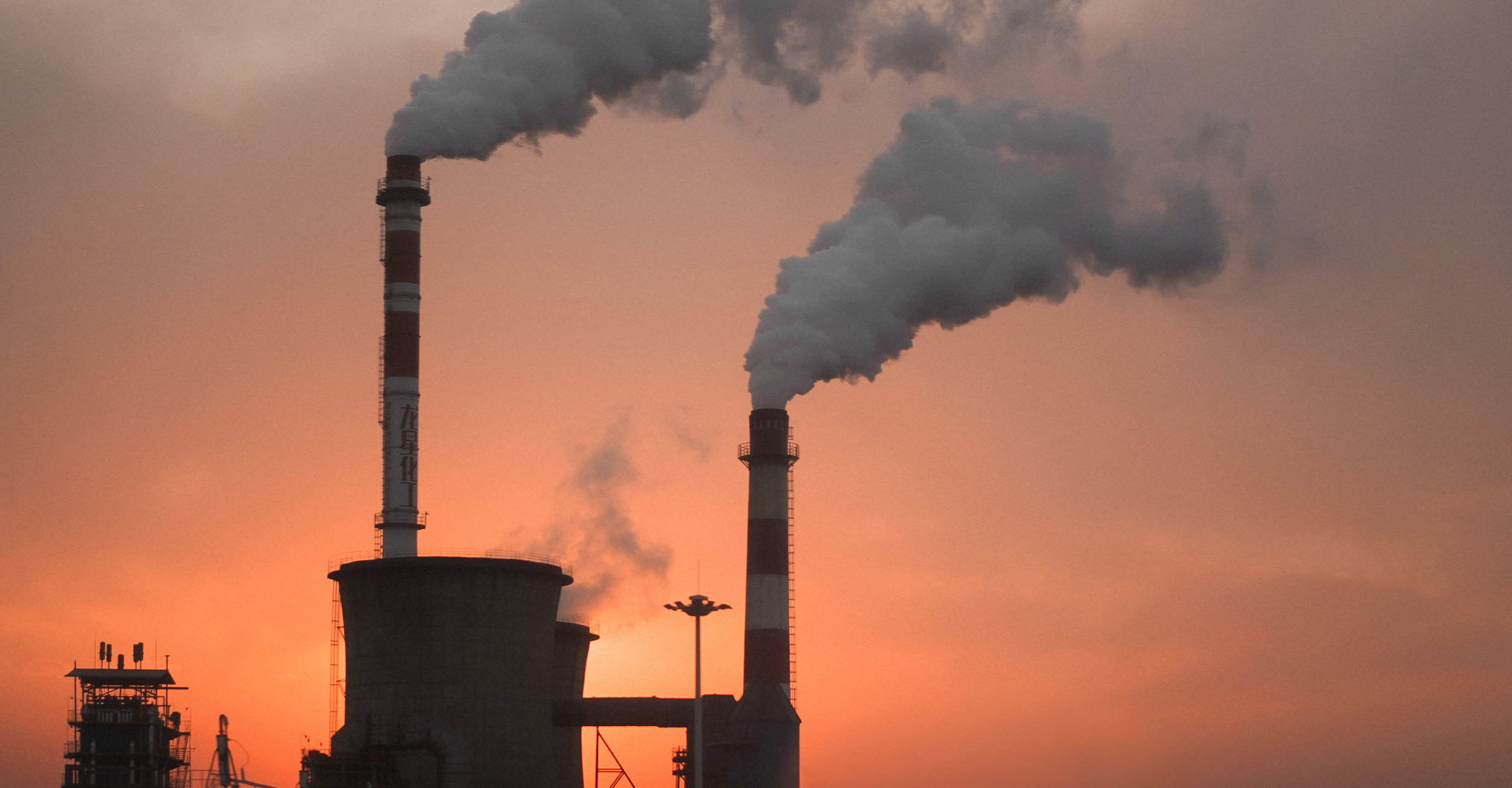
Given their potential to exacerbate already environmentally-deteriorated conditions, peaker plants have faced substantial criticism from the communities they occupy, with some of these contentions reaching courts. A pair of cases from the early 2000s revolved around the construction of peaker plants in Queens and an area of South Bronx dubbed “Asthma Alley” for its high asthma rates which are eight times higher the national average. However since these cases in 2001, New York State has passed a Green New Deal, and energy storage technologies have become more viable substitutes compared to peakers.
Read More
Time is No Excuse: Why Picasso’s The Actor Doesn’t Belong in the Met
If a person is forced to sell a family heirloom in order to save their life during times of war, is that transaction legitimate? This is the central question that the United States Court of Appeals for the Second Circuit had to tackle in the case Zuckerman v. The Metropolitan Museum of Art (2019). This case followed a lawsuit initiated by plaintiff Laurel Zuckerman in an attempt to recover The Actor, an original painting by Pablo Picasso that is currently held at the Metropolitan Museum of Art in New York City.
Read More